Log in to Wakahi
Your account lives on wakahi.com. You'll be taken there to log in, then can return to the shop.
Go to LoginSupport Wakahi
Help us keep trails accessible for everyone. Your support funds independent trail research and guides for hikers worldwide.
Support on WakahiNutrition for Multi-Day Hikes
Food on a multi-day tramp is more than just fuel — it is what keeps your energy steady, helps your body repair overnight, and keeps morale high when the weather turns or the day runs long. This guide covers how to fuel up smartly while keeping your pack weight under control.
Energy needs on the trail
On multi-day hikes, most people burn far more energy than on a normal workday. A typical hiker will need somewhere in the range of 2,200–3,000 calories per day, and on hard routes with big climbs, heavy packs, or cold weather, needs can easily climb higher.[web:43][web:227] The longer the day and the rougher the terrain, the more important it becomes to plan your food instead of just guessing.
Rather than obsessing over exact numbers, think in terms of pacing your intake. Aim to eat small amounts regularly through the day, rather than one huge lunch and long gaps between snacks.[web:226] Many hikers do well with something to eat at least every 60–90 minutes of moving. If you are regularly feeling flat, light-headed, or irritable in the afternoon, it is often a sign that you are not fuelling often enough rather than a lack of fitness.
Carbs, protein, and fats
All three macronutrients matter on a tramp, but they play different roles. Carbohydrates are your body’s preferred fuel while hiking, especially on climbs and when you are walking for many hours.[web:226] Protein helps repair muscle tissue and reduces the soreness that builds up over consecutive days. Fats are the most calorie‑dense option and provide long‑lasting energy at lower intensities.[web:43][web:229]
A simple, trail‑tested balance for most multi‑day trips is to let roughly half of your calories come from carbohydrates, a quarter from protein, and a quarter from fats across the day.[web:223][web:225] In practice, that looks like basing meals around grains or starchy foods (oats, rice, couscous, pasta), layering on protein (nuts, jerky, cheese, tuna, beans), and then adding some fat‑rich ingredients like olive oil, nut butters, or cheese to push the calories up without adding too much weight.[web:43][web:231]
Fresh produce and nuts
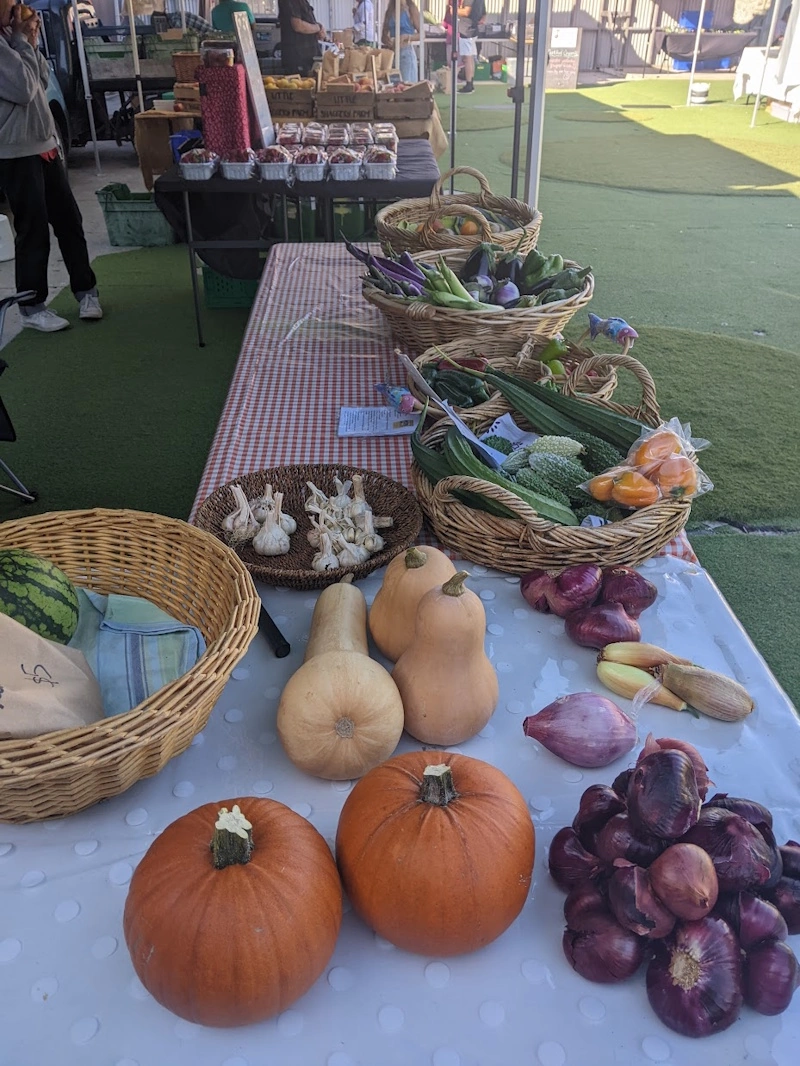
Dehydrated meals and dried foods form the backbone of most multi‑day menus, but a little fresh food goes a long way for both nutrition and morale. Firm fruits like apples and pears, and hardy vegetables such as carrots and capsicum, travel well for the first few days and add fibre, vitamins, and water content that many dry foods lack.[web:223] Softer fruits such as bananas are best saved for day one or two as a treat.
Nuts are one of the most efficient trail foods you can carry. They are energy‑dense, combining healthy fats, protein, and some carbohydrates in a compact package.[web:228][web:231] A mix of almonds, cashews, walnuts, seeds, and a handful of chocolate or dried fruit creates a classic scroggin that works as both a slow‑release snack and a morale booster. Just keep salt levels in mind: heavily salted mixes are tasty but can make you unusually thirsty if water is limited.
Breakfast ideas
- Instant oats with extras: Oats combine complex carbohydrates with some protein and fibre. Add powdered milk, dried fruit, nuts, or a spoon of nut butter to increase calories and flavour.[web:223]
- Muesli or granola: Works well cold with powdered milk or protein powder. Choose blends with nuts and seeds for extra fats and staying power.
- Day‑one fresh add‑ons: A piece of fruit or a small yoghurt in your first breakfast can be a huge morale lift and does not add long‑term pack weight.
Lunch and snacks
- Wraps with spreads: Tortillas or wraps travel better than bread and are less likely to be crushed. Fill them with cheese, nut butter, hummus powder, or salami for a mix of carbs, fat, and protein.[web:231]
- Trail mix: Combine nuts, seeds, dried fruit, and a bit of chocolate. This is your all‑day snack bowl — graze on it in small handfuls rather than finishing it in one go.[web:228]
- Fresh crunch: Carrots, snap peas, or capsicum slices survive several days and give a refreshing change from dry textures.
- Jerky or biltong: Lightweight, high‑protein, and shelf‑stable, jerky supports muscle repair and helps you feel satisfied between meals.[web:228][web:231]
Dinner options
- Dehydrated meals: Commercial dehydrated dinners are convenient, light, and just need boiling water. Check the calorie count — some standard servings are quite small, so many hikers add instant mashed potato, couscous, or extra olive oil to make them more filling.[web:225]
- Couscous or instant rice: These cook quickly in a pot or by soaking in hot water. Add soup mix, dried vegetables, tuna or salmon sachets, or nuts for a complete meal that balances carbs, protein, and fats.[web:43]
- Pasta with sauce mixes: Instant pasta packets or plain pasta combined with powdered sauces, cheese, and oil make reliable evening meals. Just keep cook times and fuel use in mind.
Hydration
Food planning does not work without a hydration plan. As a baseline, most hikers do well carrying around 2 litres per day and topping up regularly from safe water sources, drinking more in hot weather, on big climbs, or when carrying a heavy pack.[web:43][web:227] In New Zealand, many backcountry streams are drinkable, but you should still follow local advice and treat water if there is any doubt.
Electrolytes are useful on long, sweaty days. Tablets or powders added to one of your bottles help replace sodium and other minerals lost through sweat and can reduce cramps and headaches.[web:43] If you are eating mostly unsalted or low‑salt foods, consider a slightly saltier snack or drink mix to keep things in balance. Conversely, if everything you carry is very salty, make sure your water intake keeps up.
Common mistakes to avoid
Fresh food is fantastic, but it is easy to overdo. A few pieces of fruit and some vegetables are great; a whole supermarket bag of apples quickly becomes unnecessary weight. Another frequent mistake is relying heavily on very sugary sweets and drinks, which can cause energy spikes followed by deep slumps.[web:226] Treat lollies, energy gels, and soft drinks as tools for steep climbs or late‑day pushes, not your only fuel.
Underestimating total food needs is another common issue. Weather delays, slower‑than‑expected progress, or side trips can all add a day to the plan. Carry at least one extra simple meal and a bit of spare high‑calorie snack as a buffer.[web:225] Finally, it pays to test unfamiliar dehydrated meals or snack ideas at home before committing to them on a long trip — everyone’s digestion behaves a little differently on the trail.
Quick checklist
- Instant oats or muesli with powdered milk or protein
- Trail mix with nuts, seeds, dried fruit, and a little chocolate
- Wraps plus cheese, salami, or nut butter
- Fresh carrots, apples, or capsicum for the first few days
- Dehydrated dinners or quick‑cook rice, pasta, or couscous
- Electrolyte tablets or drink mix and around 2 litres of water per day
- At least one simple emergency spare meal
Pro tip: Think of your food as part fuel and part psychology. A small piece of fresh fruit on day one, a square of good chocolate after a hard climb, or a favourite hot drink in the hut can lift spirits far beyond their weight in your pack.[web:43][web:228]
Have a favourite trail food? Share recipes, snack ideas, and morale boosters with other hikers in the Wakahi Forum.